
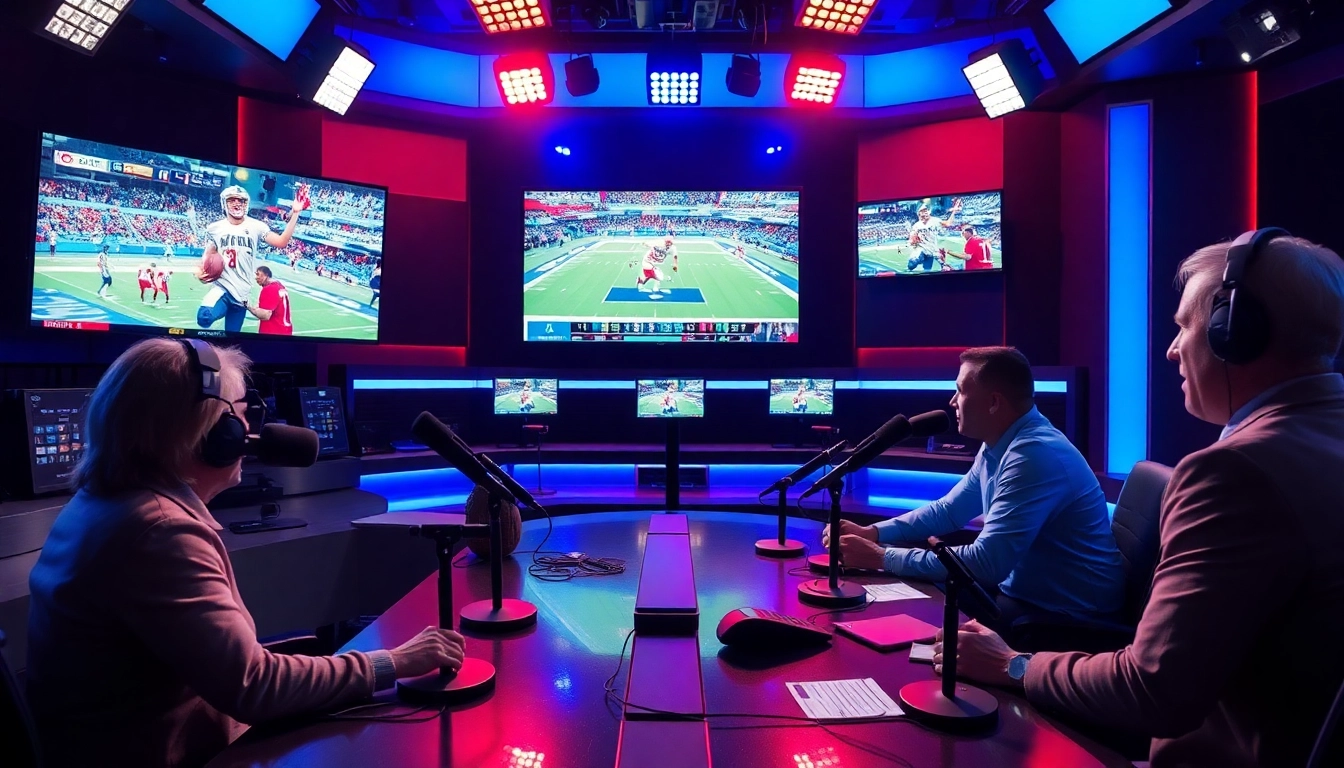
Understanding Sports Broadcasting Fundamentals
What is Sports Broadcasting?
Sports Broadcasting refers to the live and recorded dissemination of sporting events and related content to audiences via various mediums, including television, radio, and online platforms. The evolution of technology has significantly transformed how fans engage with their favorite sports, making it essential for industry professionals to adapt to these changes.
A significant aspect of this field is the way it allows fans to connect deeply with games, players, and teams. Whether it’s on national television or niche online channels, Sports Broadcasting plays a vital role in shaping the relationship between fans and the sporting world.
Key Components of Sports Broadcasting
Sports Broadcasting is a complex ecosystem that includes several key components. Understanding these elements is crucial for anyone aiming to succeed in this field:
- Content Creation: This involves producing engaging and informative narratives around sporting events, which can vary from detailed analyses to behind-the-scenes stories.
- Production: This covers the technical aspects of broadcasting, including video and audio quality, camera angles, and live event management to ensure a polished presentation.
- Distribution: Once content is created and produced, it needs a method of delivery. This includes traditional channels like cable and new ones like streaming services.
- Audience Engagement: Maintaining audience interest through interactive features, social media integration, and real-time statistics is essential.
The Role of Technology in Sports Broadcasting
Technology serves as the backbone of modern sports broadcasting. Innovations such as HD and 4K broadcasting, drone cameras, and instant replay have transformed viewer experiences. Moreover, data analytics plays a crucial role in enhancing storytelling by providing insights that were previously unavailable.
With the rise of remote production facilitated by advanced streaming technology, broadcasters can transmit high-quality content from anywhere in the world, making sports more accessible to fans globally.
Essential Skills for Successful Sports Broadcasting
Communicating Effectively
Effective communication in sports broadcasting goes beyond simply stating facts; it involves storytelling and creating a connection with the audience. Broadcasters must master various communication styles and techniques to cater to diverse audience segments, ensuring clarity and engagement.
Researching and Preparing Content
Preparation is key in sports broadcasting. Broadcasters must be well-versed in the sports they cover, understanding teams, players, and statistics. This knowledge allows them to provide contextually rich commentary that enhances viewer experience.
Engaging with the Audience
Engagement strategies are essential for retaining viewership. Broadcasters can connect with audiences through social media interactions, live polls, and viewer call-ins, fostering a sense of community and loyalty around their broadcasts.
Trends Shaping the Future of Sports Broadcasting
Impact of Streaming Services
The rise of streaming services has revolutionized how audiences consume sports content. Platforms like Netflix and Amazon Prime Video are beginning to venture into live sports broadcasting, challenging traditional broadcasters and providing viewers with more choices.
Virtual Reality in Sports Broadcasting
Virtual Reality (VR) is changing viewers‘ perceptions of sports. Instead of simply watching from afar, VR allows fans to experience games as if they were on the field, creating immersive experiences that could redefine how we engage with sports broadcasting.
The Rise of Social Media Integration
Social media integration is increasingly pivotal in sports broadcasts. Broadcasters can reach younger audiences through platforms like Instagram and TikTok, where highlights, quotes, and stories about events can be shared quickly, driving engagement and creating buzz around games.
Challenges in the Sports Broadcasting Industry
Adapting to Evolving Audience Preferences
With changing viewing habits, sports broadcasters must continuously reassess content formats and delivery methods. Catering to shorter attention spans through bite-sized content or interactive experiences can be challenging yet necessary for maintaining engagement.
Legal Issues in Sports Broadcasting
Legal challenges can include rights negotiations and copyright issues. Broadcasters must navigate the complexities of broadcasting rights while maintaining compliance with laws and regulations, which can vary considerably across regions.
Competition from Digital Platforms
The proliferation of digital content has intensified competition. Broadcasters now compete not just with each other but also with online platforms that offer alternative content, including eSports and non-traditional sports broadcasts.
Measuring Success in Sports Broadcasting
Key Performance Indicators (KPIs)
KPIs are essential for assessing the effectiveness of broadcasting strategies. Metrics such as audience reach, viewer retention rates, and subscription growth help broadcasters gauge success and identify areas for improvement.
Audience Engagement Metrics
Understanding how audiences interact with content is crucial. Metrics like social media shares, viewer comments, and audience polls help in refining content strategy to maintain and enhance viewer interests.
Analyzing Viewer Feedback for Improvement
Continuous improvement is vital. Gathering and analyzing viewer feedback through surveys or online interactions allows broadcasters to adapt their strategies based on actual viewer preferences, ultimately leading to more engaging broadcasts.
FAQs about Sports Broadcasting
What are the main types of sports broadcasting?
The main types include live broadcasts, recorded highlights, radio sports commentary, and online streaming.
How has streaming affected traditional sports broadcasting?
Streaming offers viewers more options and flexibility, often challenging traditional broadcasters to innovate and adapt to audience demands.
What skills are essential for a sports broadcaster?
Key skills include effective communication, strong research abilities, and audience engagement techniques.
What is the importance of social media in sports broadcasting?
Social media boosts engagement and builds community, allowing viewers to interact with content and contribute their perspectives.
How can broadcasters measure viewer engagement?
Broadcasters can measure engagement through metrics like viewer analytics, social media interactions, and audience feedback surveys.